5 Ways to Maximize Your Remodel Project

Remodeling your home is an important part of home ownership. Not only does it help keep the property safe and energy efficient, but it can also do wonders for establishing resale value. 

To this effect, not all remodeling projects are equal. Some renovations become never-ending money pits that don’t come close to recouping project costs. With this in mind, keep reading for 5 creative ideas that can help you maximize your next remodel project!

Establish Versatility

In 2023, homes are far more than a place to have dinner and decompress after work. Modern homeowners use their properties for a little bit of everything as the boundaries of the “traditional” home continue to be challenged. 

There are several ways to add versatility to a home. One way is to create open interiors that can be used for multiple purposes. This can be done by removing walls or adding large windows and doors that allow for an open floor plan. Another way to add versatility is to blend the lines between interior and exterior spaces. This can be done by adding outdoor living spaces, such as patios or decks, or by creating indoor-outdoor spaces, such as sunrooms or courtyards.

Soundproofing paint is an essential part of preventing unwanted sound transfer in versatile spaces. It can be used to reduce noise between rooms or between the inside and outside of the home. Additionally, area rugs and acoustic panels can be used to further reduce noise transfer. These products can help to create a more peaceful and comfortable environment in homes that have to wear many hats. 

Make the Renovations Low Maintenance

One of the most important things to accomplish with a home remodeling project is to make the property lower maintenance. By choosing durable materials and finishes, homeowners can reduce the amount of time and effort they spend on cleaning and upkeep.

Some of the most popular low-maintenance features for homes include:

  • Durable flooring - Laminate, vinyl, and tile flooring are all durable options that are easy to clean and maintain.

  • Nonporous countertops - Granite, quartz, and solid surface countertops are all nonporous materials that resist staining and bacteria growth.

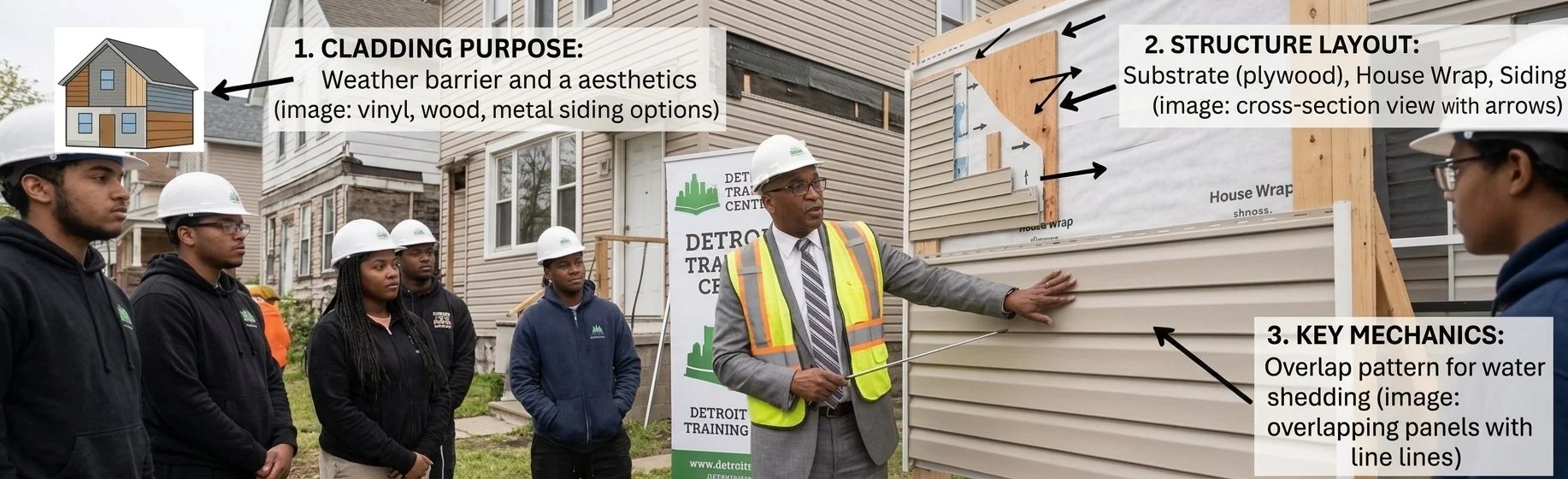
  • Composite siding - Composite siding is a low-maintenance alternative to traditional wood siding. It is available in a variety of colors and styles, and it does not require painting or staining.

By incorporating these and other low-maintenance features into their homes, homeowners can enjoy all the benefits of a beautiful and stylish home without the hassle of constant upkeep.

Install Some Natural Accents

Adding some natural accents is one of the best ways to help your property feel more inviting to guests. To this effect, there are many ways to add natural accents to your home. 

One popular option is to use interior stone veneer. Stone veneer can be used to create a beautiful fireplace surround, or it can be used as part of an accent wall. Either way, it is a great way to add texture and warmth.

You can also add natural accents to your home by exposing the ceiling beams. This is a great way to add height and character to your space. If you have a vaulted ceiling, consider painting the beams a contrasting color to make them stand out.

Keep the Kitchen Under Control

When it comes to kitchen remodeling, many homeowners are tempted to go all out and create an elaborate space that looks like it belongs in a magazine. However, there are many reasons why modest kitchen projects are often better than elaborate ones.

First, elaborate kitchens can be more form than function. They may look beautiful, but they may not be very practical for everyday use. For example, a kitchen with an old-fashioned soda fountain may look impressive, but it will likely only be used a handful of times over the course of owning the home.

In addition, elaborate kitchens can create unnecessary work for the homeowner. A kitchen with a lot of nooks and crannies can be difficult to clean. This can also make the kitchen more costly to maintain than most homeowners care for.

For these reasons, it is often better to opt for a more modest kitchen project. A kitchen with durable flooring, nonporous countertops, and energy-efficient appliances is more likely to be functional and easy to maintain. It can still be beautiful without all the bells and whistles.

Know Your Limits As a DIYer

Home improvement and renovation shows have become increasingly popular over the past few years, and for good reason. They can be a great source of inspiration and information for homeowners who are looking to make changes to their own homes. However, it is important to remember that what you see on TV is not always as easy as it seems. In fact, some home renovation projects can be downright dangerous if you don't have the proper skills and knowledge.

One of the most important things to know when taking on a DIY project is your own limitations. If you are not comfortable working with tools or are unfamiliar with building codes, it is best to hire a professional to do the work for you. Even seemingly simple projects can go awry if you don't know what you are doing. For example, if you are not familiar with how to use self drilling drywall screws, you could end up damaging your drywall or even injuring yourself.

Before you start any DIY project, be sure to do your research and learn as much as you can about the task at hand. There are a wealth of resources available online, including blogs, websites, and YouTube videos. You can also find helpful information at your local library or home improvement store. Once you have a good understanding of the project, you can begin to gather the tools and materials you will need.

If you are ever unsure about how to proceed with a DIY project, it is always best to err on the side of caution and hire a professional. While it may cost more upfront, it could save you time, money, and heartache in the long run.

Be Intentional to Maximize Your Next Remodeling Project

Regular remodeling is an essential part of homeownership. However, not all remodeling projects are created equal when it comes to boosting safety, functionality, and resale value. For more ideas and information to help guide you through a remodeling project, check out the resources at Detroit Training Center for the latest in the construction industry!

Max Shafer is a freelance writer that loves sharing his knowledge and expertise on home improvement projects and materials. He lives in Land O’ Lakes, Florida where he enjoys spending time with his wife and working on projects in his spare time. Max’s work as a freelance writer can be found on Building Product Advisor, a new construction industry resource site.
5 Steps to Start Your Own Construction Company

The construction industry is thriving and constantly growing in the US, making it an excellent

opportunity for aspiring young entrepreneurs. While delving into the construction sector may

seem daunting, starting your own business is achievable with some initial effort.

As a contractor, your primary focus lies in overseeing the various components of the

construction process while ensuring everything runs smoothly. You will manage every

residential or commercial construction project from planning to implementation. Beginning your

own construction business requires some groundwork. This article will explore five steps to help

you achieve your objectives.

Get Certification

Possessing the information and abilities required to excel in a subject is the first step toward

entering it. The same is true for the construction industry; you need the necessary knowledge

and abilities to manage a building site. Enrolling in an online program can aid in your acquisition

of pertinent expertise and skills. Still, you must ensure that the program leads to a respected

certification. Although online courses usually cost less than traditional courses, success still

requires effort and dedication. Some courses offer degrees, while others are just certificates, but

whichever you choose, you must ensure they are legit providers.

Have a USP

The construction industry has a lot of opportunities, which means it is pretty competitive, and

you will need to stand out. A USP, or unique selling point, can set you apart from the

competition and even propel you ahead. One strategy to stand out is to use innovative building

materials that are coming up with technological advancements. Some materials can create

buildings with increased energy efficiency. The building’s maintenance costs are reduced

concurrently, which is a substantial long-term benefit that investors would like to profit from.’

Create an LLC

Creating a company is the next step, more precisely, an LLC. An LLC combines the flexibility of

a partnership with a corporation’s asset security. An LLC is essential because it is entirely

separate from its owners and has rights, liabilities, and responsibilities. LLCs allow the owners

to be free of litigation if the company is involved in a legal problem. Their property cannot be

sold to settle any financial issues with the LLC, which is a perfect cushion if things become

challenging. You can learn how to form an LLC by researching online and consulting with a

lawyer.

Get the Appropriate Permits

To legally work as a contractor in several US states, you need licenses, often the General

Contractor’s License. In contrast, several jurisdictions only demand registration with the State

Contractor’s Board or the Department of Labor to avoid the necessity for a permit. Some states

have different permits or licenses for the size and type of contractor job you are doing. The

standards for acquiring licenses for particular jobs differ depending on the state. For example,

Minnesota requires a license for remodeling or residential projects but not for commercial

endeavors.

Get Funding

The cost of the materials, people, and equipment required to complete the projects makes

construction a capital-intensive sector. You can get funding from multiple sources for a

construction company once you have your permits and company set up. The Small Business

Administration offers loans that are frequently guaranteed by the government, which are one of

the most popular funding options. Lenders often prefer this because of the government's

backing, but you must have a good plan and be in actual financial need. Construction loans are

another enticing choice for businesses, although they are significantly more challenging to

acquire.

With the proper preparation and work, starting your own construction firm may be easier than it

first appears. Once you get certification from a legitimate institution and define a USP, you can

create your company. Then, getting the permits is easy, and you can start looking for funding to

get equipment and labor.

Innovative Commercial Construction Trends to Watch for in 2023

As we approach the halfway point of 2023, we have a clear idea of which commercial construction trends are in, out, and here to stay for the remainder of the year. As can be expected, the industry has placed a high priority on durability, energy efficiency, and safety with most of its construction concepts. For more information on how these trends are being put into action, keep reading for a breakdown of the most innovative commercial construction trends to watch for in the remainder of 2023!

Structural Roof Support

Using rooftop space is an emerging trend in all types of commercial construction. Whether it be as a break area for employees, a temporary storage location, or access point for service professionals, modern buildings are not letting precious roof space go unutilized.

The key when constructing a rooftop space is to ensure that it is both safe and supportive. Adequate railing is necessary to secure the perimeter. Quality surface pavers must fight wear and tear while allowing for drainage. Structural metal b decking should be applied to the roof substrate to help provide shear support and transfer vertical loads horizontally to the frame. The average metal deck cost will be between $3 and $7 per square foot, but it is a critical investment for promoting the safety of a utilized flat roof.

Increased Window Area

Be it a warehouse, manufacturing plant, or office suite, commercial buildings cannot get away with being cold, gray boxes anymore. Modern designers understand the importance of natural light and an inviting ambience for promoting the mental health and productivity of patrons.

Therefore, expect to see more and more window area in commercial buildings in 2023. To ensure that the windows are not a potential weak point for air and moisture ingress, it is best to build with hurricane-grade storm windows that use steel frames and reinforced glass to withstand heavy winds and projectile impact.


Focus On Energy Efficiency


With the United States eyeing a net-zero economy by 2050, buildings constructed without energy efficiency in mind will be subject to ongoing fines and regulations moving forward. Not to mention that they will have little appeal to a more environmentally friendly market. Some ways that commercial architects are boosting the energy efficiency of their structures include:

  • Solar panels and other types of PV features around the property

  • Increased exterior wall insulation to improve the R-value of the building envelope

  • Backdraft dampers in the HVAC system to promote more efficient airflow

By incorporating as many energy efficiency features as possible, designers can lower operational expenses, improve comfort and performance of tenants, and increase property value in an increasingly discerning market.

Prefabrication Processes

With the insatiable demand for commercial space, especially warehousing area, builders are under intense pressure to get structures up fast. This has led to an increased interest in materials that leverage a high-degree of pre-engineering, such as structural steel. These types of structures can be assembled largely in a controlled plant environment and transported to the construction site in easy-to-erect kits. This reduces the amount of time that the land is tied up in construction, reducing the risk of weather, theft, transportation, or other types of construction delays. 

Concrete Waterproofing

Despite innovations in building materials, concrete is still the meat and potatoes behind most projects. Few products can match concrete’s blend of versatility, durability, and economy. 

With that said, there are ongoing efforts to improve concrete and make the lifetime cost of ownership even lower. If there is a drawback to concrete, it is that it is porous and susceptible to water damage. As such, self-healing concrete is a major trend, as developers look for ways for concrete to avoid the cracks that lead to compound issues. If self-healing concrete technology is not yet advanced enough for your tastes, applying crystalline waterproofing treatments can be a great way to ensure the longevity of your concrete. Penetrating deep into the concrete and interacting with moisture to form impermeable crystals, crystalline waterproofing is a great way to prevent the water ingress that could potentially damage your concrete components. 

Modern Safety Features

Commercial buildings must constantly be evolving to meet more stringent safety standards. While there is really no way to do too much in this regard, some trending safety concepts include:

  • Incorporating modern smoke baffles and fire screens

  • Adding glass railing to all stairwells and elevated walkways

  • Building an infrastructure of safety doors and credentialed access

And these are just a few ideas. It is always best to consult with a professional building inspector throughout the design and construction process to help identify potential safety breaches before they arise. 

Take the Next Step in Commercial Construction Processes Today

Commercial construction is a constantly evolving industry. So far in 2023, architects and builders are zeroing in on materials and concepts that can help improve safety, energy efficiency, and longevity. If you are interested in more ideas on how to implement these trends into an upcoming build, explore Detroit Training Center for more resources and inspiration!

Max Shafer is a freelance writer that loves sharing his knowledge and expertise on home improvement projects and materials. He lives in Land O’ Lakes, Florida where he enjoys spending time with his wife and working on projects in his spare time. Max’s work as a freelance writer can be found on Building Product Advisor, a new construction industry resource site.



Tips for Choosing the Right Builders for Your Dream Home

Building your dream home is a significant investment, and choosing the right builder is crucial to ensuring your vision becomes a reality. You must ensure the builders constructing your home are up to the task. Choosing the right builders for your dream home isn't always easy, but with careful research and consideration, you can find trustworthy professionals to help bring your vision into reality. Here are some tips on choosing the best builder for your project.

Experience

Ideally, you want to choose one with a proven track record and extensive experience in the field. Ask questions about the kind of projects they have completed and, if possible, visit some of their previous projects to get an idea of their workmanship and quality. Consider someone who is academically qualified in fields such as engineering and who will help you enjoy the benefits of engineering management.

When looking through their portfolio, look at the finer details and pay attention to how they handle everything from the design process to the finishing touches. An experienced builder should also have a good understanding of local building laws and regulations, which will ensure that your dream home meets all legal requirements.

Communication and Transparency

Effective communication involves more than just answering your questions and providing updates. It also means actively listening to your needs and concerns and working to address them throughout the construction process. A builder who communicates effectively will inform you of any changes or delays, answer your questions promptly, and ensure your vision for your dream home is realized.


Transparency is also critical when working with a builder. This involves providing a clear and detailed estimate of the project's cost, timeline, and materials needed. A transparent builder will also provide updates on any changes or issues that may arise during construction, ensuring no surprises.

Reputation

Research their online reviews, ratings, and testimonials to evaluate a builder's reputation. This will give you an idea of what previous clients think of their work and their level of customer service. You can also ask for references from past clients and visit homes they have built to evaluate the quality of their workmanship. A reputable builder will happily provide references and take you on a tour of their previous projects.


It is also important to consider the builder's track record when completing projects on time and within budget. Delays and budget overruns can be costly and stressful, so choose a builder with a proven track record of completing projects on time and within budget.

Budget and Rates

It's important to know your budget upfront and understand the costs of building your dream home. Ask potential builders for estimates on materials, labor, and other project-related expenses. Once you know the total cost, you can compare rates and determine which builder offers the best value for money.


When looking at the rates, factor in additional costs such as permits, inspections, and utility connections. The builder should also offer
warranties on their workmanship, so ask about this before agreeing to anything. Finally, remember that the lowest rate may not always be the best option; quality construction is worth spending a little extra on.


Building your dream home is a once-in-a-lifetime experience with no room for error. Choose a builder who shares your custom home vision and has a quote that aligns with your budget, experience, and a good reputation. Considering these tips, you will have a seamless home-building experience and a beautiful home that is custom-built to meet your unique needs.

4 Easy Ways to Improve Your DIY Skills

Do-it-yourself (DIY) projects have become increasingly popular over the years. With the rise of social media, it has become easier for us to share our creations with the world, and more and more people are embarking on DIY projects to unleash their creative juices. There is something special about creating something with your hands and seeing your vision come to life.

However, not everyone is naturally talented or skilled at DIY projects. If you want to improve your DIY skills, there are a few easy steps you can take. This blog post will share the best ways to enhance your DIY skills.

Start with a Small Project

One of the best ways to improve your DIY skills is to start small. Select a relatively simple project that won't take too much time or require a lot of materials. This could be anything from making a birdhouse, painting old furniture, or crafting jewelry from beads. Starting with small projects will allow you to experiment and learn new techniques without the stress of completing a complex task. Learning the basics this way can help you develop your skills gradually, laying the foundations for more advanced projects.


You'll also want to choose a project you're passionate about that will give you a sense of satisfaction when completed. This will boost your confidence and give you a sense of accomplishment and add to the overall design of your home or workspace.

Invest in Quality Tools and Materials

While it might be tempting to go for the cheapest option, this could cost you more in the long run. Poorly made tools can break quickly and will likely require replacing far sooner than higher-quality items. Low-quality materials can also be more difficult to work with, and the final product might not look as good or last as long.


When it comes to tools, you'll want to ensure they are designed for the project you plan to tackle. For instance, if you're working on woodwork, you'll need power tools, such as a drill, saw, and sanders.

Take Advantage of Online Tutorials and Classes

The internet has made it easier to access tutorials and classes that can help you hone your DIY skills. With it, you have access to a wealth of information on DIY projects and techniques. You can find online tutorials for anything from basic home repairs to complex woodworking projects. Additionally, you can take online classes to learn new skills and techniques.

For example, learning applied statistics as a skill can help you better understand measurements and calculations, which is crucial for many DIY projects. You can also find free or paid online classes that provide more in-depth instruction than what is available on the web. Professional crafters teach these courses and will give you detailed lessons on various techniques, from woodworking to painting and sewing.

Ask for Help

Even the most experienced DIY-ers need help from time to time. If you're stuck on a project, don't be afraid to ask for help from a friend, family member, or professional. Hiring a contractor or handyman for more complicated projects can save you time and money in the long run. Plus, you'll learn from their expertise and be better equipped to tackle similar projects.


Improving your DIY skills is a rewarding experience and doesn't have to be difficult. With the right tools, materials, and advice you can create amazing projects that will leave you with a feeling of accomplishment. Take on those ambitious projects step by step and enjoy the process.

Written By: Mian Azhar

4 Tips for Building Your Own Home

Written By: Lisa Thomas

Building your own home is exciting. You can design and create your forever home and turn it into a dream come true. Everything can be customized to your preferences and needs, but this process can be quite stressful. There are a lot of tasks, big and small, to complete before you even start building your house. You have to find a lot of professionals to help you build your home, and all that costs time and money. So, before you start, here are a few tips. 

Make a Plan

This is the most important step - creating a plan. Planning is more than just blueprints and development applications. It is also about setting a realistic time frame, planning your budget, planning the work to be done and in what order, finding contractors and so much more. Also, you have to plan the actual physical orientation of your home. Don’t wait until the last possible minute for all this. Rather, start making the plan ahead and it will help you plan all the necessary steps. Start with an outline, and slowly start adding important steps and details. Also, leave some room for adjustments for each step of the plan, because building your house is fun but it can unpredictable. 


Do the Research

Thorough research should be part of your plan, too. To create a plan you have to find all the prices, contractors, and other vital information. Start with researching where you want to build a house and check out properties in detail before you buy one. Also, look into house price trends, learn about local development processes, research contractors, materials, and so on. 

Also, you research the weather in your area, because this will affect the materials and timeframe of building the house. You can also look into insulation and why you might need it. You can easily get quotes and talk to professionals about why and how to insulate a basement or attic because these can be quite vital. 

Don’t forget that getting quotes for all types of contractors is essential. With quotes, you can easily start planning the budget and how much time you will have to wait for the house to be completed. 


Pick the Right Builder

Once the plan is in place, it’s time to choose your builder. This is a person who will be responsible for creating your home, so pick wisely. The process of choosing the right builder will depend on a number of factors:

  • The home design you want

  • The area you are building in

  • Budget

  • Service expectations

When looking for a builder, pay attention to their reputation and even ask around what people think of them. You can look at their portfolio to see if their skills match your needs, read online reviews, and check their licensing and accreditation. 

Be Realistic about the Budget

Before you start this big project, you have to know your budget. By knowing how much you can spend on building a house, there is no room for unpleasant surprises. You should also leave room in your budget for approval fees, stamp duty, planning and approval fees, settlement fees, and many other similar costs. So, when planning a budget, it is always better to have a little extra than to lack funds. 

One thing is for sure - choosing a builder will affect your budget. You want a builder that is transparent with their prices because you don’t want to finish the project and find out it is way over budget. 

There is a lot to cover when building your house. It is a fun project, but you will have to make a lot of decisions. So, make a plan, define the budget, get plenty of quotes from professionals and good luck. 

Three Occasions When You Should Outsource Repair Work

Written By: Claire monroe

Trying to do your own repairs within your home may save you money in the short term, but any mistakes could compound the problem, which often means you’ll eventually be reaching further into your pocket to overcome it. More importantly, this can also put your safety at risk.

Whilst there are lots of repairs and maintenance tasks you can carry out yourself, it’s important to be aware of the occasions when certain jobs on your to-do list should be outsourced to a professional. In this post, we highlight three examples of times you should seek expert advice to help keep your home running as it should. 

If it’s too complicated 

There are so many different repair tasks that crop up over time within any residential property. And however large or small the task appears, make sure not to take on anything that is too complicated for you to competently carry out without external support. 

Certain repairs and maintenance tasks should always be completed by a qualified professional. Not only does this help to mitigate the risks of creating further problems, but it will also ensure that you’re not in breach of any regulations. For instance, repairs made to utility systems like water and electricity must comply with national laws, guidelines and building regulations to help ensure public safety.

For instance, non-compliant repair works made to your plumbing system could result in contaminated supplies and/or water waste. Taking the necessary precautions from the start of the process will ensure that recommended processes and precautions are followed throughout.

If you don’t have time 

This particular point is fairly self-explanatory, but if you’re busy with other life commitments, it’s always best to hire a professional to complete those tasks sitting on your list. Not only will you struggle to set the time aside to complete the task in the first place, but if you do find an opportunity, you’re more likely to rush the job if you’re doing it on a tight schedule. This ultimately means there’s more potential for mistakes or you may cut corners to save some time, but this can result in further damage to your home, and potentially your wallet.

Before starting any DIY task, carefully consider how long you expect it to take you to complete it. Often it’s inadvisable to begin a task if you feel like you may not have time to complete, so before rushing into your next repair job, take a more measured approach and think about the timelines involved.

If it involves structural changes

Ensuring the structural integrity of your home is one of the most important aspects of maintaining its safety, so it’s crucial that any work is completed to a professional standard. Repairs to a building’s structure often require specialist tools and skills, both of which can be supplied by a professional in the trade. This type of work is typically more dangerous to carry out as well, so it’s always best left to someone with more experience.

If you are ever in any doubt about whether or not it’s safe or sensible to carry out your own plumbing work, it’s always best to err on the side of caution and seek professional guidance. Not only will this help to prevent the problem from potentially getting any worse, but leaving repairs to the experts will help keep you and your family safe.

Best Ways to Learn About Construction

By: Marcus Wiseman

The construction industry is constantly evolving. For those seeking careers in this field, the best way to stay up to date and informed is to learn as much as possible about the industry. It is one of the best fields you can venture into as a professional and offer great opportunities for advancement and growth. Knowing how to collect relevant information about the industry can help you launch a successful career path. Here are some of the best ways to learn about construction:

1. Find Entry Level Positions

Getting yourself an entry-level job in the construction industry is a great way to learn about construction. This will allow you to get hands-on experience and see how it works from different angles. You can also make important contacts within the industry and make your mark as a valuable employee. You can find entry-level construction jobs through job postings, career fairs, and company websites.

2. Take Classes

Classes related to the construction industry are another great way to learn about construction. Many schools offer degrees in engineering, architecture, and other related fields that provide students with valuable industry knowledge. You can also take short courses to learn about specific topics such as construction safety, building codes, and other relevant areas. You can consider virtual reality training to learn more about the construction industry. Not only does it give you a better idea of the equipment and materials used in construction, but it can also give you a better understanding of how they are used.

3. Join Professional Groups

One of the best ways to learn about construction is by joining professional groups and organizations.These groups often have a wealth of information, resources, and contacts to help you expand your industry knowledge. You can attend meetings or conferences to meet professionals in the field and get insider tips on how to succeed in the industry. Mentorship programs are also a great way to learn about construction. Finding an experienced mentor in the field can provide you with valuable advice and guidance to help you launch a successful career in the industry.

4. Read Construction Magazines and Journals

Reading construction magazines and journals is another great way to stay up-to-date on the latest news, trends, and developments in the industry. They often provide insightful articles and interviews with professionals, which can help you better understand how the industry works. You can also find best practices, tips, and advice to help you succeed in the field.

5. Get a Certification

Getting certified in the construction industry is a great way to learn about construction and enhance your skills. Several certifications, such as OSHA training, are available, which will give you an edge over other job applicants. You can also get specialized training in areas such as green building and LEED certification, which are important skills employers look for in prospective employees. Learning about construction can be a great way to get ahead in the industry. Taking classes, joining professional groups, and reading up on the latest news are great ways to stay informed and gain knowledge of the field. Getting certified is also important if you want to become a successful professional in the industry. With these tips, you’ll be well on your way to a successful career in the construction industry.

Working From Home? How To Decrease Background Noise.

When you’re working from home, you’d hope that usually there would be less noise than your typical office, but unfortunately this isn’t always the case. Assuming you’re working fairly average hours, you shouldn’t have to worry about late night parties or music, but there can still be other disruptions during the day. We’ve put together some tips to minimize the noise so you can stay focused.

Insulate and fill your walls

Start off by filling in any cracks in your walls. Although it might seem like a minor change, it can make a big difference if the distractions are coming from outside. Any small crack or hole can seemingly amplify the noise, so it’s a good idea to sort these as soon as possible. Even if you find it doesn’t actually help, now you’ve ticked another item off your repairs to-do list.

You should also consider what your windows and doors are made of. Double or even triple-glazed windows can not only block out noise but help to keep heat inside of your home too. A simple and cost-effective alternative can be to block any drafts from underneath doors if you’re not able to invest in new doors or windows.

Utilize your furniture

If you know where the noise is mainly coming from, try moving a piece of furniture in front of it. Heavy or dense furniture like wardrobes or bookshelves can help to absorb sound. It can also help to either buy some thick rugs and curtains or relocate existing ones to the noisier spots. Tightly woven and heavy curtains tend to be porous which allows them to absorb sound waves, helping to quieten any sound coming from outdoors.

Shut your windows and doors

We know your front door is probably already shut, but shutting internal doors can help with the noise as well. Not only can it block out distractions coming from other rooms in your house, but it can also help to block some noise from outdoors too. The same goes for windows – keep them shut where possible, particularly in the room you work in.


Wear earphones

Earphones with noise cancelling technology are amazing for limiting background noise. They work in two ways, firstly acting almost like earplugs, but they also use AI to play white noise that cancels out background sounds.


Even if you have earphones without noise canceling, they can still help block external sounds. If you live with other people who are creating background noise – e.g. watching TV or listening to music – we would recommend asking them if they’d mind listening through earphones instead. 

Eliminating the source of the noise is the most effective way to solve the problem, but we understand this isn’t always possible. If the noise is coming from neighbors or outdoors, you always have the option of filing a noise complaint with your council. Of course, we would recommend speaking to them first, but if that doesn’t work, the council can help to resolve the issue. In the meantime, try using our tips above to minimize the distraction.

Written by: Claire Monroe

10 Signs It's Time To Replace Your Siding

Written By: Kathleen Anne Joven Nialla

A house siding is a protective covering that is installed on the exterior of a house. It is used to protect the house from weather damage and to improve its appearance. There are many different types of house siding available, including vinyl, aluminum, wood, and fiber cement. 

-Vinyl siding

One of the most popular types of house siding. It is durable and easy to maintain, and it comes in a wide variety of colors and styles. 

-Aluminum siding 

Another popular option. It is lightweight and easy to install, and it provides good protection against weather damage.

-Wood siding 

A classic choice for many homes. It is natural and beautiful, and it can add value to your home. Wood siding is also relatively easy to install.

-Fiber cement siding 

A newer option that is becoming increasingly popular. It is made from a mixture of cement and wood fibers, and it provides good protection against weather damage. Fiber cement siding is also fire-resistant and termite-proof.

Signs You Might Need A New One

Whether you like it or not, nothing lasts forever, and so with sidings on your house. Here are 10 signs that you might need replacing it:

1. Your neighbor's house is starting to look better than yours 

You can't help but notice that the siding on your neighbor's house is looking a little bit brighter and cleaner than yours. It might be time for you to replace your siding.

2. You can't remember the last time you pressure-washed your siding 

If it's been a while since you pressure-washed your siding, it might be time for a new coat. Pressure washing will only do so much to keep your siding clean and bright.

3. The color has faded   

If your once-bright siding has begun to fade, it's probably time for a new coat of paint. However, if the color is fading evenly across the entire surface, it could be a sign of sun damage and you may need to replace the siding altogether.

4. Your paint is peeling   

Peeling paint is not only an eyesore, but it's also a sign that your siding is no longer protecting your home from the elements. If you've noticed any bare spots, it's time for a new coat of siding.

5. You've started to notice some cracks or chips in your siding 

Cracks and chips are not only unsightly, but they can also lead to further damage if left unrepaired.

6. You can see daylight through the gaps in your siding 

Gaps in your siding can let in drafts and pests. If you can see daylight coming through the gaps in your siding, it's definitely time for a replacement. Replacing it shouldn’t be a hassle, especially with the help of professionals like Mighty Dog Roofing in Plymouth, MI. Rest assured you will have your timely repair paired with the best result.

7. Your energy bills have been increasing 

If you've noticed that your energy bills have been steadily increasing, it could be due to drafts coming through your old, damaged siding. Replacing your siding can help to insulate your home and reduce your energy costs.

8. There's mold or mildew growing on your siding 

Mold and mildew can cause major damage to your siding and even lead to health problems for you and your family. If you see mold or mildew growing on your siding, it's time to replace it with new, mold-resistant siding.

9. There's evidence of pest infestation   

If you see signs of insect or rodent damage, it's important to have your siding inspected for pests. These critters can cause serious damage to your home if left unchecked.

10. You're just ready for a change 

Sometimes, you just need a change – and there's nothing wrong with that! If you're ready for a new look for your home, replacing your old siding is a great way to achieve it.

Three Properties Making Bamboo Ideal For Sustainable Home Development

Written By: Claire Monroe

As the planet continues to feel the effects of climate change, it’s becoming increasingly important for individuals to make more sustainable choices in their everyday lives. Living more sustainably always has to start at home, since this is where we spend the majority of our time. And whilst it can be challenging to consider the environment when undergoing a home development project, especially when you’re sticking to a strict budget, there are lots of things you can do that’ll help to limit its carbon footprint. 

If you’re looking to keep sustainability at the heart of your project, one of the most important areas of consideration is which materials you’re going to use. Relying too heavily on the wrong materials can seriously impact the eco-credentials of your development, so it’s crucial you take the time to consider which will work best for you. 

Bamboo is widely considered to be one of the most sustainable construction materials, and it’s being used more commonly in projects across the world. With its range of different uses, it can be utilised in just about any part of the home. In this post, we’ll explore the factors that make bamboo a sustainable material suitable for home development, and suggest some ways in which you can use it throughout your build.


Eco-friendly

Before speaking about the properties bamboo can offer within the home, it’s important to note that it has incredibly strong eco credentials, which is why it's known as a very sustainable material. It is fast-growing, efficient at sequestering carbon, and requires no pesticides or fertilisers to thrive. Bamboo also has a very low impact on the environment, and requires far less water to grow than other common natural materials used in construction.

Durability

One of the key factors in determining any given material’s sustainability credentials is its durability. Materials that have a short useful life and will need replacing more often will generally be worse for the environment, with more materials needing to be used as replacements. This is one of the biggest benefits of using bamboo in a sustainable home development project, in that it’s naturally a very strong material, and can withstand a lot of wear and tear, no matter which part of the home it’s being used in.


Versatility 


The final key benefit to using bamboo in any home development project is its versatility as a material. Due to its physical composition and wide range of uses, bamboo can be used in so many different areas of the home. Firstly, it’s a great option for any exterior development, particularly as a roofing material. It’s able to withstand extreme weather conditions, so it would offer ample protection to homes in particularly high-risk areas. 

Bamboo is also a great option for many different interior development projects. Whether you’re redesigning a kitchen or giving a bathroom a makeover, bamboo can give properties a sleek and sustainable look. Countertops, furniture, blinds, and even sinks can all be made of bamboo. It’s also water-resistant and easy to clean, making it a great flooring material too.

With these factors in mind, bamboo can be an excellent choice for those looking for a sustainable material. Just be sure to do your research to ensure that it is being sourced sustainably

How To Choose The Right Construction Bond And Patterns

Article By: Reylord Ayop

A brick bond is a pattern where the bricks are lying. It is applicable for brick paving and brick walls, especially for paths and patios, including other types of masonry construction, such as concrete blocks. You can pick different brick bonds suitable for your buildings, just like choosing the most suitable general-purpose access doors and panels.    

Photo By: Jordan Harris

How Can You Brick Bond Your Work   

Brick bonds mostly need bricks or masonry units having the same size or at least the most compatible size. A uniform size will make a regular and repeatable pattern that you may apply to any size of the area. Several bond patterns have the interlocking method for each brick row and are very well known as a course.    


The bond will add solidity to your building in this method, making any mortar wall much more robust than ever. If you use mortar between your bricks, consider that each brick size includes mortar thickness.  


What are the common wall brick bonds?   

Brick walls can be decorative, like the brick-veneer wall, or structural, like load-bearing walls. Structural barriers will need a specific type of structural bond. On the other hand, decorative walls can use any kind of bond. We have listed a few popular and common types of brick bonds you may use on your walls.   


Running Bond: The bricks are staggered into ½ brick above and below its course, in the classical way one-over-two method. It is a simple structural bond that has been accessible long enough for the basic construction of walls. Every brick is lying lengthwise—the "stretchers," also known as the long sides facing outwards.   


Common Bond: Running bonds style with an intermittent course of the header bricks is usually for double-thickness walls, which is why header bricks are flushing on the edges with two stretchers lying side by side.   


English Bond: It is the same as the common bond. However, it is running alternatively with all header bricks and stretcher bricks.   


Flemish Bond: Header and stretcher bricks alternate to every course in this type of bond.   


Stack Bond: Every stretcher brick is lying in identical grid courses. The joints aren't staggered on each between systems. It is a non-structural bond that is for interior wall decoration.   


Common Paving Brick Bonds   

Underlying surfaces support brick paving, unlike the walls, which need to sustain themselves and load from the top. It means the paving brick bonds can be decorative and flexible. Such bonds are chosen by many due to their easy installation, not only by their style. Patterns that have lesser cutting parts are much easier to apply.   


Paving may also include wood timbers or other materials you can integrate into your style. Brick pavers commonly lie flat, and one of their larger sides faces upwards.   


Running Bond: The pattern for this bond is the same as the wall bricks. It can also be perpendicular, diagonal, or even parallel to the length of your building's patio or path.   


Herringbone: With each brick placed perpendicular to its neighbor, these bonds will create a simple zigzag pattern. Although these are aesthetically pleasing, they can take too much time to install as it requires you to cut the brick at the edge of every course to form a straight line.    


Basketweave: The brick pattern is squarely lying paired to each other and side-by-side, and every one of these is perpendicular to its neighbors. It is the best option for locations that are rectangular or square.   


Jacked: It is also known as Jack-on-Jack paving, the even rows in square grids are pleasing, and you can't find any staggering between its courses.   


Find the correct bond pattern for your building.   

We know that it can sometimes be hard to find the right choices for your buildings, especially if you want them sturdy and lasting longer than usual. Don't be afraid to ask for professional help, especially regarding the safety of your buildings.    

The Secrets of an Earthquake-Proof Building    

Article By: Reylord Ayop

One common and devastating type of natural force is earthquakes. People have been building structures that can withstand them for years, ensuring that these new structures do not succumb to natural disasters. Many designs sustain damage from earthquakes, regardless of frequency, because they are not ready for it. If you are planning to build or start a construction project, making sure that it is earthquake-proof will save you from many future headaches and expenses. Here are some notes you should keep in mind when it comes to ensuring your building has a chance against earthquakes:    Article By: Reylord Ayop

How Do Earthquakes Damage Buildings?    

If you want to ensure that your commercial building can withstand earthquakes, it is best to start and understand how these natural forces affect a structure. During an earthquake, the ground will send out shockwaves that are usually short and rapid. These shockwaves will extend in every direction, involving a particular area, and can even send some to a place farther away.    

Buildings have always been built to withstand and handle vertical forces, like gravity, but not all can withstand side-to-side forces. Earthquakes can create movement in your walls, floors, columns, beams, and connectors. This movement can cause extreme stress on the structure of your building and can even cause the frame to rupture.    


Tips on Earthquake-proofing Your Building    

Now that you understand how earthquakes affect your building, it is time to learn how to counter it. When creating an earthquake-proof building, you should hire engineers to reinforce the structure to counter the shake. One common strategy is to create a force that pushes in the opposite direction of the earthquake. Here are a few known methods to help a building withstand earthquakes:    


Tip #1: Flexible Foundation    

A method that works is known as base isolation. It is when the foundation of the building is above the ground. The foundation traditionally connects to the ground, but with base isolation, there are flexible pads beneath it that help creates a soft and supple environment for your foundation. These pads take most of the vibration from the quake, and your building will remain steady.    


Tip #2: Damping Counters    

You might have heard of shock absorbers in cars. There are also versions of these shock absorbers that you can place in buildings. These shock absorbers will help reduce the number of shockwaves the commercial building will take. There are two types of shock absorbers for buildings: vibrational control devices and pendulum power.    


Tip #3: Vibrational Shields    

With the progression of technology, experts have been developing additional ways to counteract these forces. Also known as the 'seismic invisibility cloak,' it involves creating a cloak of 100 concentric plastic and concrete rings. This cloak is beneath the foundation, at least 3-feet under from where the foundation starts. As an earthquake happens and enters these rings, it travels until it reaches the outer rings, essentially channeling the vibrations away from the building and into the ground.    


Tip #4: Reinforcement    

For your building to avoid collapsing, your structural building must redistribute its forces. Some ways to prevent a collapse include shear walls, diaphragms, moment-resisting frames, and cross braces. Know more about these reinforcing methods below:    


Shear walls: Shear walls are multiple panels that are a part of the overall structure of the building that helps with stability. Cross braces support these panels to ensure that they can support both compression and tension during an earthquake.   


Diaphragms: A central part of any building's structure. They help remove tension from the floor and help guide the building's forces through the vertical systems.    


Moment-resisting frames: They provide flexibility for your building. You can find them in joints, allowing your building's columns and beams to bend. Placing these frames makes your commercial building additional resistant to larger forces.    


Materials That You Can Use    

Now that you know how to resist these forces of nature, you should learn about materials that help. Using these materials in your commercial or residential building will help improve overall stability.    


Steel and Wood    

Steel and wood are among the most common building materials today, and they can resist shock with high ductility. Modern buildings come with structural steel, which allows structures to bend and follow a specific design without breaking. Wood is not only very ductile but also very lightweight, making it a suitable material to use in buildings. You can also consider placing heavy-duty wall access doors in your building, as they can help create a more stable and durable space.     


As the world progresses and innovations are in the process of combatting the damage that earthquakes tend to leave in their wake, more and more materials and strategies surface in building construction. It is good to get updates on these innovations, especially in the construction industry, as it can help you create more sustainable and durable building designs.    

10 Things to Do to Keep Your House Safe When on the Road

Written by: Rachel Pruette

When you’re on vacation enjoying yourself or away on an important business trip, the last thing you want to do is have to worry about your home. Here are a few easy things you can do to keep your house safe when traveling so you can rest easy and enjoy your time away from home.

1. Put Some Lights on a Timer

It’s usually easy for people to tell when a home isn’t occupied, but setting some timers for your lights can make it less obvious. Stagger the start and stop times so that all your lights don’t come on and go off at once. Having some lights go off earlier than others gives the impression that your home has activity.

2. Leave a Car in the Driveway

A car or two in front of your house also goes a long way toward deterring would-be snoopers from poking around your property while you’re not home. If you’re taking your car, ask a trusted friend or neighbor if they can leave a car in front of your house or in your driveway while you’re gone.

3. Cancel Your Mail

An overflowing mailbox is another telltale sign that you’re not home, so don’t forget to put a hold on your deliveries before you leave. If you have a newspaper delivered, cancel that too. A pile of newspapers at the end of your driveway is another dead giveaway that nobody’s been home for a while.

4. Set the Thermostat

You should set the temperature in your home to a comfortable temperature before you go, regardless of what season you’re traveling. In the summer, letting your house get too hot probably won’t cause too many problems, but allowing the temperature to drop in the wintertime can be catastrophic.

If you don’t want to come home to burst pipes and tens of thousands of dollars worth of damage, bump up the thermostat before you go. It’s easier to manage your home’s climate while you’re away if you have a smart thermostat, but setting the temperature before you leave is an easy solution if you don’t.

5. Trim Your Trees and Bushes

This might seem like a strange thing to do before you leave, but there are two main reasons why you probably want to call a landscaper before you hit the road.

First, trees provide roof access to anyone looking to take advantage of your absence to relieve you of some of your more expensive possessions. Trees with large branches extending near your roof offer enticing opportunities for burglars hoping to gain access to your home through an unlocked upstairs window.

Second, even if you’re not worried about someone breaking in, trimming branches back from your roof will save your roof from damage if a storm rolls in while you’re away. Rogue branches can cause extensive damage that’s surprisingly expensive to repair, and unless you have a home warranty that covers roofs, you’ll be in for a nasty surprise when you get home.

6. Disconnect Electronics

Storms aren’t only a danger to your home’s exterior. Power surges from lightning strikes or damaged electrical equipment can cause circuits to overload in your house, damaging anything that’s connected and possibly sparking house fires. It’s probably a good idea to disconnect expensive electronics like computers, TVs, and stereos just to be safe, especially if you live somewhere prone to strong, sudden storms.

7. Check Your Smoke Alarms

Even if you’re good about changing your smoke alarm batteries, giving them an extra inspection before a trip is a great way to boost your peace of mind. Checking them only takes a second and could save you from disaster.

8. Lock Your Doors and Windows

This tip sounds silly, but you’d be surprised by how many home invasions happen due to unlocked entry points. Check all your doors and windows the night before you leave to make sure they’re locked, making sure to include easy-to-forget entryways like garage and basement doors.

9. Remove Your Spare Key

Even if you think your secret hiding place is undiscoverable, you should remove it while you’re away. Many people have the same ideas for where to hide keys, making it easy for a burglar to gain entry into your home without drawing attention to themselves.

If you’re worried about someone needing to get into your house while you’re gone, leave a key with them. In general, you should always leave a spare key with a trusted neighbor, friend, or family member who lives nearby.

10. Don’t Post On Social Media

One final tip: refrain from posting your glamorous vacation shots until you get home. Posts featuring stunning vistas that are obviously not near your home give anyone who knows your address the opportunity to poke around your property unimpeded. Keep in mind that your address might not be as hard to find online as you think, so the risk of sharing your pictures on social media while you’re away is probably greater than you realize.


Trucker’s Guide To Preparing The Home For Extended Trips

Written by: Jordan Harris


Truck drivers are usually on the road for days or weeks at a time, sometimes even months, causing them to leave their homes unattended. Preparing your home for these long trips is vital. Having a plan for home maintenance in its various forms becomes necessary. As the old saying goes, failing to prepare is preparing to fail.


1. Get A Home Inspection

If you are purchasing a new home shortly before your extended trip, you may consider getting your home inspected to protect yourself against any existing or new potential issues that may occur while you're away. A home inspector can inform you what costly repairs may come up in the future and what you should prioritize now. If you’re just getting started, you may already have some loans out, such as if you needed to purchase a truck. Pre-existing loans might make it more difficult to take out future loans to help cover any necessary costs unearthed during your home inspection. However, you can opt to refinance your existing mortgage and choose a cash-out option. This will allow you to get a lump sum of cash that will be added into your current mortgage payment. If your credit isn’t perfectly strong,an FHA loan refinance may be the best option for you. Otherwise, a low-interest personal loan can help cover necessary repairs.


2. Prevent water damage

Water damage can be caused by plumbing issues, flooding, and leaks in your house. It’s one of those problems that you might not see until it’s too late and extensive damage has been done. With this in mind, it’s important to find the potential for water damage in your home and address it accordingly before it occurs.


●     Make sure the gutters are clean and drained properly. Check your roof for any missing shingles, cracks, and damages.

●     Check bathtubs, showers, and sinks for leaks. Seal and replace as necessary.

●     Weatherize the exterior of the home by sealing gaps in windows, doors or other openings.

●     Adjust landscape grading to ensure that water will flow away from the house. In the event of heavy rains, foundation or siding can be damaged.

●     Check for leaks and ensure sealants on the water heater are in good shape. Turn off the electric or gas supply to the heater and drain the unit if the house will be subjected to sub-freezing temperatures. Not doing so could cause hydrogen sulfide to build up in the water causing an unpleasant smell.

3. Check Your HVAC system.

Ensure the HVAC unit is in good working order and air filters don’t need to be replaced, especially if you plan on leaving it on while you are away. Make sure that the condensation drains are clear and functioning properly, and turn down the thermostat to 50 or 60 degrees. This will reduce energy consumption and ensure that the pipes don’t freeze.

4. Arrange for a House Sitter

On shorter trips, most people ask a friend or a neighbor to do simple things like take out the trash, check the mail or mow the lawn. Because truckers are usually gone for a longer period of time, it may be beneficial to hire a house sitter.  Here are some tasks you can assign your house sitter while you are away:

●     Give your house sitter the names and numbers of service and municipal companies, and if comfortable, the names of family members or friends in the event of an emergency.

●     Check and monitor the security system.

●     Park a car in the driveway.

●     If water is on, flush toilets regularly. Not doing so may allow sewer gas to enter the home.


5. Prep the kitchen

So much activity occurs in our kitchens on a daily basis that it can be easy to let certain things go under the radar when preparing for a long trip. Besides checking for leaks in the pipes under the sink or in the washing machine, there are a few other things to be aware of before you leave.

●     Remove all perishables from your refrigerator, especially things that could smell when you return. Doing so will avoid attracting pests like rodents or cockroaches. Determine if you want to leave the unit plugged or unplugged. Either way, consider adding odor absorbers like baking soda or charcoal to your refrigerator.

●     Freshen up your garbage disposal. You can do this by dropping ice cubes in and running the disposal. This will remove rust that may have accumulated from low or no usage and keep the impellers running without hindrance. You could also pour a mixture of vinegar and water into the chamber to combat odors.

●     Take out the garbage and clean the trash can. Food that may not have made it into the trash can and ended up in other places will attract bugs and other pests. Giving the kitchen trash can a good scrubbing will prevent this as well as unpleasant odors from occuring when you’re gone.

Embarking on a career as a truck driver can be exciting if you enjoy being on the road for long periods of time and sightseeing. Detroit Training Center offers programs that will help you obtain the proper CDL. As with any trip it is important to make sure that not only you are prepared but your home is prepared as well. Hopefully these tips will give you an idea of what you need to do before leaving and while you’re gone.

The Importance of Filtration in Air-Conditioning System   

The Importance of Filtration in Air-Conditioning System   

Via DelAir.com

Whether in residential or commercial establishments, the comfort and safety of everyone within the premises is your main priority. Installing air conditioning systems provides quality air and significantly reduces a room's humidity. An establishment with high humidity can lead to dust mites, mold, heatstroke, and dehydration.    


Regardless, if you already have air conditioning systems installed in your building, you need proper maintenance to ensure continued functionality and prevent respiratory diseases such as allergies. Installing access panel allows professional ac technicians to regularly check your AC whenever you notice any noticeable changes, such as temperature changes or unusual rattling coming from the device.    


However, even if you don't notice any changes in your air conditioning system, you should still regularly change the air filters to improve air quality.   


What are Air Filters?   

An air filter is a material that filters particles from the air. As with any filter, experts manufacture air filters with a porous structure through which large and coarse harmful particles cannot pass through. These filters do not let harmful allergens and pollutants enter your establishment. For this reason, air filters significantly affect your health and well-being.   


AC filters are mostly made of a fine fiberglass thread, spun on a frame or from fine paper wrapped on a cardboard frame. Here are some of the particles which an air conditioner filter can help protect you against:   


  • Pollen   

  • Mold   

  • Pollutants present in the outdoor air   

  • Dust   

  • Fur from pets   

  • Dead skin    


Importance of Regularly Changing AC Air Filters?   

We know that air filters trap dangerous particles & allergens from the air and provide fresh and clean air to travel into the establishment. Over time, these hazardous pollutant particles can gather within the filters and reduce the total volume of air passing through the air filters. Less air traveling through your AC's air filters means that you would have to turn your air conditioner's fan settings higher than the regular to achieve the same effect, and in some cases, even that might not work.   


This results in higher energy costs at the end of the month and degraded air conditioner efficiency, which you don't want. Clogged air conditioner filters can raise energy bills to 15% higher than usual. According to experts, replacing dirty filters can reduce energy consumption by 5% to 10%.   


Another disadvantage of clogged AC air filters is the recontamination of harmful particles into the air. Because of the large number of contaminants gathered in the air filter, when an air conditioner reverses airflow, some pollutants will probably make their way back into the air, resulting in even dirtier air than before.   


How Often Should You Clean Your Air Filter   

Regularly cleaning your air filters is a must, but how often you should clean them will depend on how long and much you use your air conditioners. It is best to clean air filters every two weeks, around 200-250 hours of use & get them replaced every 3-4 months. Changing air filters is crucial before the start of the hot seasons.   


Different Types of Air Filters   


Fiberglass Air Filters   

Perhaps the most common type, these filters are designed for single use only. Manufacturers create this by spreading the fiberglass fibers over a cardboard or metal frame. This fiberglass acts as a barrier to hazardous particles. According to MERV ratings, this type of air filter is on the lower end of the options, but it's a popular option among establishments and homeowners due to the low cost.   


Pleated Air Filters   

Similarly, with fiberglass filters, pleated filters utilize polyester or other cloth material to function as filters. They are usually much more capable of blocking dust flow into a room.   


The polyester cloth is set in an accordion shape, giving them a much larger surface area than flat filters. The larger surface area presents less resistance to airflow and makes for longer-lasting filters.   


Washable or Reusable Air Filters   

Manufacturers create washable filters out of cloth that can be washed and used again. These are relatively cheap filters, and experts designed these for low-intensity use. This is due to their MERV rating of 1-4, which doesn't make them suitable for high pollutant environments.   


Proper care while washing air filters is necessary, so they do not get damaged easily. It would help if you dried them before using them thoroughly, or mold and fungi can quickly grow on them.   


How to Change and Clean Air Filters   

Dirty AC filters significantly cause air conditioners not to heat or cool properly. If this is the current situation of your air conditioner, check the air filters out first, and have them cleaned or changed.   


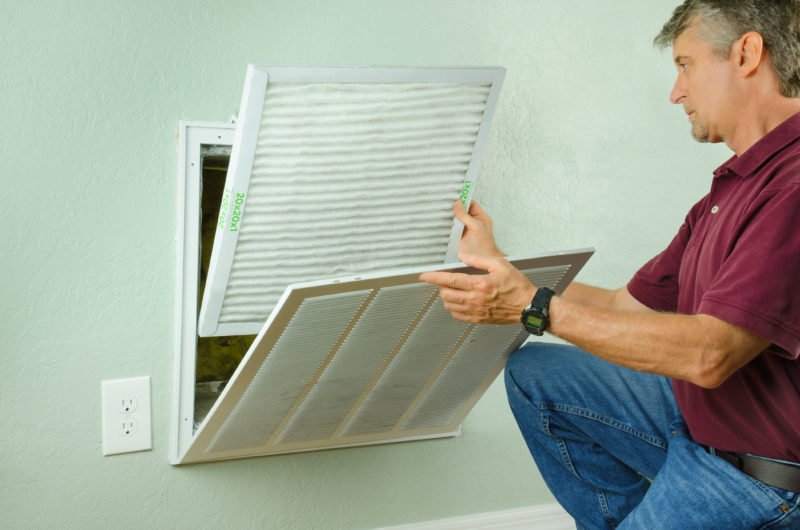
First, you must conduct a visual inspection. Open your air conditioner and locate the filter. Hold the filter against a light source. It is still in good condition if you can see through the filter. If not, you must schedule a replacement or cleaning.   


AC filters for ducted systems are placed outside furnace units and can be quickly removed by unclipping and pulling the air filters out of their holders. Technicians install air filters within the indoor unit for ductless systems; you can easily take them out by removing them.   


You can clean air filters with a gentle blow with an air hose or a vacuum cleaner. You can wash washable air conditioner filters with running water, but dry them thoroughly before inserting them inside the AC.   


To get the best quality out of your purchase, you can consult an AC technician to know what type of air filter is suitable for your Air conditioner. At the same time, you can also ask for tips on how to use your AC efficiently to reduce the amount of maintenance and filter replacements or cleaning.    


Conclusion   

Air filters are not just a tiny part of an air conditioner. It is one of the most critical materials for providing healthy and fresh air. But, after prolonged use, you must either replace or clean your air filters to avoid spreading polluted air throughout your establishment or home. Doing so can prevent discomfort during the dry or humid season and eliminate the instances of contracting unwanted respiratory diseases.  

Written BY: REYLORD Ayop

How To Choose The Right Type Of Excavator For Your Project

Do you need to hire an excavator for a construction project? If so, it's important to choose the right type of excavator for the job. There are many different types of excavators available on the market, and each one is designed for a specific purpose. In this blog post, we will discuss the different types of excavators and help you choose the right one for your project!

1. Crawler Excavator

A crawler excavator is a type of excavator that is mounted on an undercarriage with crawler tracks. This type of excavator is typically used in construction projects where the ground is too soft or unstable to support the weight of a wheeled excavator.

Crawler excavators are also often used in mining applications because they can maneuver easily around obstacles and rough terrain. You can also read more here and get to know more about this type of excavator and its uses. Many different manufacturers produce crawler excavators, and each one offers a different set of features and options. When choosing a crawler excavator, it's important to consider the specific needs of your project. For example, if you need an excavator that can operate in tight spaces, you will want to choose one with a compact design.

2. Long Reach Excavator

A long-reach excavator is perfect for projects that require extra reach and digging depth. If you're working on a construction site with limited space, a long-reach excavator can help you get the job done quickly and efficiently. When choosing a long-reach excavator, it's important to consider the type of project you're working on. If you need extra reach for demolition or excavation, a long-reach excavator is a perfect choice. If you're looking for an excavator with more digging power, a standard or compact excavator would be a better option. Also, be sure to check the weight and size of the excavator before making your final decision.

3. Wheeled Excavator

A wheeled excavator is a type of excavator that is mounted on a set of wheels instead of crawler tracks. Wheeled excavators are typically used in construction projects where the ground is firm and stable. This type of excavator is also often used in agricultural applications because it can maneuver easily around obstacles. When choosing a wheeled excavator, it's important to consider the specific needs of your project.

For example, if you need an excavator that can operate in tight spaces, you will want to choose one with a compact design. Many different manufacturers produce wheeled excavators, and each one offers a different set of features and options.

4. Backhoe Excavator

A backhoe excavator is one of the most versatile machines on a construction site. It can be used for digging trenches, excavating foundations, and loading trucks with debris. If you're working on a large construction project, a backhoe excavator is an essential piece of equipment. Here's what you need to know about choosing the right backhoe excavator for your project. There are three main types of backhoe excavators: wheeled, tracked, and crawler.

Wheeled models are the most common type of backhoe excavator. They're easy to maneuver and have good traction on paved surfaces. Tracked models are more powerful than wheeled models and can handle rougher terrain. Crawler models are the most powerful type of backhoe excavator and are designed for use on very rough terrain.

5. Hydraulic Shovels

Hydraulic shovels are the most common type of excavator. They are used in a variety of applications, including construction, mining, and forestry. Hydraulic shovels have a bucket that is attached to a boom using a hydraulic cylinder. The bucket is operated by a joystick that controls the flow of hydraulic fluid to the cylinder. There are two main types of hydraulic shovels: wheeled and tracked. Wheeled hydraulic shovels are typically used in construction applications, while tracked hydraulic shovels are typically used in mining applications. Both types of hydraulic shovels have their advantages and disadvantages.

6. Demolition Excavator

A demolition excavator is a type of excavator that is specifically designed for the demolition industry. This type of excavator has several features that make it ideal for demolishing buildings and other structures.  One of the most important features of a demolition excavator is its ability to generate a lot of torque. This is necessary to break through concrete and other materials that are often used in construction projects.  Another feature that makes demolition excavators different from other types of excavators is their ability to operate at high speeds. This is necessary to quickly remove debris from a building or structure that is being demolished. Moreover, if you are looking for a company that offers a wide range of heavy demolition services, look no further than Bella Contracting Services where our experienced team utilizes state-of-the-art equipment to efficiently and safely handle heavy demo projects of any scale

As we saw, many different types of excavators are available on the market. Each type of excavator has its own specific set of features and benefits. When choosing an excavator for your project, it's important to consider the specific needs of your project to choose the right type of excavator. Thanks for reading! We hope this article was helpful.

The Most Important Things To Consider When Choosing An Online Course

Written by; Sherry McKenna

Studying is investing in your future. Deciding to start a course means that you are choosing to improve the future version of your life. All in all, having a degree and knowledge will help you stand out from the rest, making it that much easier for you to get the best jobs on the market.

The internet has changed the way we communicate, buy, and study. In the case of studying, online courses have turned the dreams of many into realities. After all, studying from home is convenient for those whose work-life consumes too much time and effort.

However, how can you know which online course is the right for you? Easy, just start by considering these important things. The next step will be to start and finish your course!

Time Management

Time is a valuable resource. In some cases, one can study even if money is scarce. However, it is impossible to take a course if you can’t devote time to it. Before enlisting yourself in an online course, organize your schedule based on the time expectation.

All courses will provide an estimation of the number of hours required per week and its overall duration. Some courses take a couple of weeks, while others take months or even years. This data is important for your organization, so you don’t find yourself quitting halfway.

Certification

Not every online course provides a degree. In reality, many start an online course just for the sake of learning. This is especially the case with free courses. For example, one may study a language, coding, or programming, just to gain basic knowledge and add experience to their curriculum. Others may be interested in learning just for the joy of the experience. 

One way or another, it is wiser to choose a course that guarantees a degree by the end of it. After all, you never know when will it come in handy for a better job opportunity.

So, make sure that the online course does indeed handle a degree, in case you want to turn it into a career. That way, you’ll boost your possibilities of being given a great job in the future.

Reviews and Accreditations

Scams overflow on the internet. Naturally, you want to make sure the online course is legit. The best way of doing it is by revising the school's official website. Doing quick research will uncover the integrity of the course. Check for reviews, rankings, ratings, affiliations, and accreditations on their website.

Also, look for the institution’s name on Google. More often than not, victims of fraud will create posts or articles warning about such fraudulent business. If you want to be surer, Google the name of the course and your location. Whether you are from California, Michigan, Texas, Georgia, or any other state, always specify your area when doing research. This will help you find out results according to your interests.

Remember that if a course is developed by an important institution, then its credibility cannot be questioned. For instance, if a University provides an online MSN degree program authorized in Michigan, then it’s quite transparent that the course is legit. Location and institution are both relevant, even if you consider taking the course from home.  

Blogs

Here’s an easy tip to spot a trustworthy business: it has a blog. Blogs provide news, information, and resources related to the company or institution. Articles serve both as a source of information for customers and students and as proof that the people working behind are experts in their fields.

Trying Despite All Odds

This last tip seems unimportant. However, that couldn’t be further from the truth. Most people believe that all it takes to graduate or finish a course is to pick something you like, study a lot, and then earn a degree. This is nothing but a wrong belief.

In real life, students give up. They hesitate whether to continue or not. They are not sure if starting a course is the right decision or if it’s better not to try at all. However, we believe that anything is always better than nothing.

Consider that choosing an online course is nothing but a win-win situation. It is best to study a career that will fulfill your needs, but if you cannot relate to something specific, start a course anyways. All in all, action is not the result of passion. It’s the other way around. So, you might find yourself falling in love with the course in the end.  

Choosing an online course is a wise investment of time and money. After all, studying is always to walk through a hard path. Fortunately, this path always leads to glory.

As that saying goes, if you do the easy things, your life will be harder. However, choose the hard things, and life will become easier. Good luck in your career!

The Importance Of Training And Assessment For Your Business

Pexel.com

As a business owner, you know that training is important for your employees. But what about your business as a whole? Training and assessment are just as important for your company; they may be even more important! In this blog post, we will discuss the importance of this for businesses, and we will provide some tips on how to get started.

1. It will help businesses improve their performance

When you invest in training and assessment for your business, you are investing in its future success. This will help businesses to improve their performance by providing employees with the knowledge and skills they need to be successful. In addition, assessment can help businesses to identify areas where improvement is needed. If you need an online provider for your business to receive certification, you will want to ensure that the provider offers quality training services. Investing in quality training can help businesses to improve their bottom line. Businesses that invest in employee development are more likely to see a return on their investment than those that do not.

2. It can help businesses attract and retain employees

For businesses to be successful, they need to have a strong workforce. Training and assessment can help businesses to attract and retain employees by ensuring that they have the skills and knowledge necessary to be successful. In addition, it can help businesses to create a positive work environment that is conducive to employee retention. Often, businesses that invest in employee development find that they have lower turnover rates and higher levels of employee satisfaction. When employees are satisfied with their work, they are more likely to stay with a company for the long haul.

3. It helps businesses to stay compliant with regulations

All businesses are subject to compliance with various laws and regulations. Failure to comply with these regulations can result in significant penalties, including fines and even jail time. Training and assessment can help businesses to stay compliant by providing employees with the knowledge they need to follow all applicable laws and regulations. In addition, regular assessment can help businesses to identify potential areas of non-compliance before they become a problem. Assessment can be done through different methods like questionnaires, interviews, focus groups, and surveys. Also, by staying compliant with all applicable laws and regulations, businesses can avoid costly penalties and keep their operations running smoothly.

4. It helps businesses improve their customer service

Customer service is an important part of any business. For businesses to be successful, they need to provide quality customer service. Training can help businesses to improve their customer service by providing employees with the skills they need to be successful. In addition, regular assessment can help businesses to identify potential areas of improvement in their customer service processes. Other ways to do assessment are through studies, research, and observations. Sometimes, businesses that invest in employee development find that they have lower customer turnover rates and higher levels of customer satisfaction. When businesses invest in quality customer service, they are more likely to retain their existing customers and attract new ones. Customers are what keep businesses afloat, so it is important to invest in quality customer service.

5. It helps businesses reduce their risks

All businesses face risks, but those that invest in training are better able to manage those risks. This can help businesses to identify potential risks before they become a problem. In addition, regular training can help businesses to develop risk management plans that can avoid or mitigate the impact of potential problems. By reducing their risks, businesses can save money and improve their bottom line. Sometimes, the best way to avoid a problem is to be proactive and plan for it. Businesses that invest in their employees' development are more likely to be successful in the long run.

6. It can help businesses to be more efficient

Businesses that invest in training and assessment are often more efficient than those that do not. By doing this, you can help businesses to identify areas where they can improve their processes. In addition, regular assessment can help businesses to develop best practices that can save time and money. When businesses are more efficient, they are better able to compete in the marketplace as well as provide their customers with the best possible service. The efficiency in which a business operates is often a direct reflection of the quality of its employees. Also, more efficient businesses often have lower operating costs, which can improve the way they can price their products and services.

Pexel.com


Investing in training and assessment can help businesses to improve their performance and attract and retain employees. If you are interested in improving your business, consider investing in quality training and assessment services. You may be surprised at how much of a difference it can make! So, if you’re thinking of taking your business to the next level, don’t forget the importance of training and assessment.