


Detroit is undergoing one of the most dynamic urban revitalizations in the nation. Between ongoing commercial developments, neighborhood rehabilitation projects, and major infrastructure upgrades, the demand for skilled, licensed contractors is surging.
If you are looking to launch a construction company in Detroit, you do not have to do it alone. The city offers a robust ecosystem of educational programs, grant funding, and specialized local resources designed to help emerging contractors launch, get licensed, and scale up safely.
Step 1: Master the Trade & Licensing at Detroit Training Center
Before you can legally bid on residential jobs over $600 in Michigan, you need a Residential Builder or Maintenance & Alteration Contractor license issued by LARA.
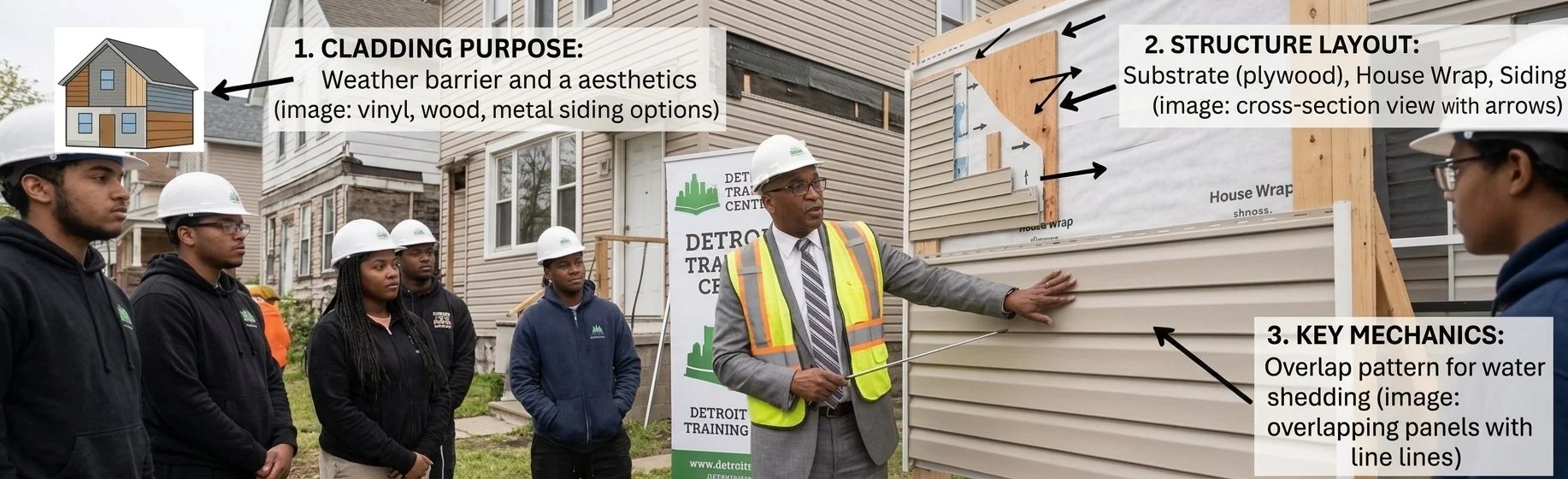
The Detroit Training Center (DTC) is one of the premier workforce education institutions in the city. DTC offers a state-approved 60-Hour Michigan Residential Builders License Class specifically structured to take you from candidate to licensed professional.
Key Details of DTC's Pre-Licensure Program:
Comprehensive Curriculum: Covers the 60 required state hours—including Michigan Residential Code, MIOSHA safety standards, business management, job costing, marketing, contracts, and project management.
Affordable Entry: The course costs $750 total, which includes the required course manual and code book materials. They also offer a flexible payment split ($375 to start, $375 at midpoint) to reduce upfront friction.
Certificate of Completion: Once completed, DTC provides the official certificate required by LARA to register for the state licensing exam through PSI.
Step 2: Tap into Local Business Incubators and Grants
Once you have the legal framework to build, you need the business acumen, network, and capital to scale. Detroit boasts several local organizations dedicated to supporting emerging trade entrepreneurs:
Detroit Means Business (DMB): Considered the central hub for small business support in the city. DMB helps new contractors navigate local permitting, licensing requirements, and business structuring, while connecting owners with specialized legal and accounting services.
Motor City Match: A program connecting Detroit entrepreneurs with technical assistance and capital. For contractors seeking space or expanding operations, Motor City Match offers business planning workshops, architectural design support, and competitive gap-funding cash grants up to $100,000.
BuyDetroit: Managed by the Detroit Economic Growth Corporation (DEGC), this portal connects local Detroit suppliers and contractors directly with major corporate and municipal procurement opportunities.
Michigan Small Business Development Center (SBDC) – Southeast Region: Offers free, one-on-one business coaching, financial forecasting assistance, and market analysis tailored to Michigan contractors.
Step 3: Build a Sustainable Financial Model
The most common reason new construction firms fail isn't a lack of craftsmanship—it's poor financial management. As you pull together your resources, prioritize these core operational steps:
Form an LLC or S-Corp: Protect your personal assets from workplace liability and set up a framework for business deductions.
Secure Comprehensive Insurance: Get general liability, commercial auto, and worker's compensation insurance set up prior to landing your first major client.
Establish Local Lending Relationships: Connect with Detroit-area community development financial institutions (CDFIs) like Detroit Development Fund or Michigan Community Resources for accessible equipment loans and working capital lines of credit.