
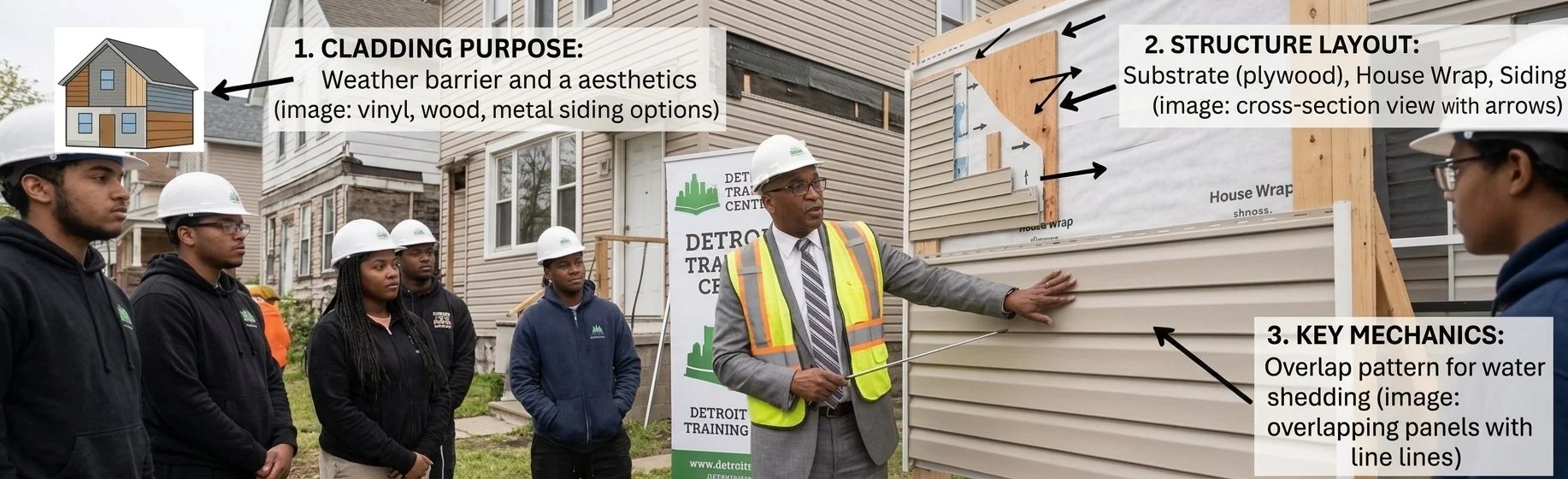


Starting a construction business in Michigan isn't just about building structures—it's one of the most reliable, battle-tested routes to building long-term generational wealth.
While many associate high net worth with tech startups or corporate management, trades and construction quietly produce thousands of self-made millionaires in the Great Lakes State. Here is why launching your own contracting or construction firm in Michigan can fast-track your path to financial freedom.
1. High Demand Built on State Infrastructure and Housing
Michigan is undergoing a massive push toward infrastructure renewal, residential development, and commercial expansion. Statewide initiatives like road construction, grid updates, and commercial developments across regions like Metro Detroit, Grand Rapids, and Lansing keep skilled contractors constantly booked.
Because demand for specialized trade work consistently outpaces the supply of licensed contractors, business owners hold significant pricing power.
2. High Margin Potential vs. Traditional Employment
As an employee in the trades, your income is capped by an hourly wage or salary. As a business owner, your income scales with project scope, efficiency, and leverage.
W-2 Trade Worker: Earns $25–$45/hour on average.
Business Owner: Charges $85–$150+/hour per billable worker, keeping the spread between labor cost and project revenue as company profit.
Specialized Contracts: High-demand niches—such as site preparation, concrete, electrical, and commercial HVAC—frequently see net profit margins ranging from 10% to 25%+.
3. Wealth Creation Through Business Equity
Wealth isn't just the money you bring home every month; it's the value of the assets you accumulate. A construction business generates wealth in three distinct ways:
Cash Flow: Reinvested profits and owner distributions build liquid assets.
Asset Accumulation: Heavy equipment, tools, fleet vehicles, and commercial real estate purchase options build tangible equity on the corporate balance sheet.
Enterprise Value: A well-managed contractor with recurring contracts, established crews, and systemized operations can eventually be sold for a multiple of earnings (SDE/EBITDA), giving you a lucrative exit option.
4. Leverage Michigan's Real Estate Market
Many successful contractors use their core business as a launching pad into real estate investing. Because you control the labor and material costs, you can buy distressed properties, renovate them far below market cost, and build a high-yielding rental portfolio or complete profitable flips across Michigan's growing suburban markets.
How to Get Started in Michigan
Get Licensed
Michigan requires residential contractors to hold a Residential Builder or Maintenance & Alterations Contractor license through LARA (Department of Licensing and Regulatory Affairs), requiring 60 hours of pre-licensure education and passing the state exam. Commercial or specialized trades (plumbing, electrical) have separate master-level licensing paths. Check out DetroitTraining.com/mibuilders for more information.
Structure for Asset Protection
Form an LLC or S-Corp to protect your personal assets from liability and optimize your tax strategy—allowing you to legally deduct equipment, vehicles, and operational expenses.
Master Pricing, Not Just Building
The contractors who struggle are those who underbid. Focus heavily on job costing, overhead management, and sales to protect your margins from day one.